
October 16, 2026
Maintaining a comfortable home environment relies heavily on a properly functioning heating, ventilation, and air conditioning system. Just like a car requires regular oil changes and tune-ups to stay on the road, your home’s climate control system requires routine care to operate at peak performance. Scheduling seasonal checkups with a professional HVAC company protects your financial investment and prevents unexpected equipment breakdowns during extreme weather. These thorough evaluations cover every major electrical, mechanical, and airflow component of your system, ensuring optimal indoor air quality, lowered utility bills, and consistent room temperatures. Below is a detailed, comprehensive guide to what technicians evaluate during a standard routine maintenance appointment.
Thermostats: Testing Calibration and Programming
The thermostat serves as the central brain of your entire heating and cooling system. If the thermostat is inaccurate, malfunctioning, or improperly located, the rest of the system will struggle to maintain your desired indoor climate, leading to wasted energy and uncomfortable temperature swings. During a service visit, technicians begin by inspecting the thermostat to ensure it accurately communicates with your heating and air units.
Technicians calibrate the internal temperature sensor against a precise, calibrated reading tool to verify accuracy. If the sensor is off by even a few degrees, your system may run far longer than necessary or turn off prematurely. For older manual or digital units, the technician checks battery health and inspects the wiring behind the sub-base for corrosion or loose terminal screws. Loose wires can interrupt signals, causing erratic system cycles.
For modern smart and programmable thermostats, the technician verifies Wi-Fi connectivity and checks that firmware updates have been installed. They also review your custom heating and cooling schedules. By evaluating how your thermostat is set throughout the day, the technician can offer advice on setting energy-saving temperature setbacks when you are away or asleep, maximizing your overall operational efficiency without sacrificing daily comfort.
Filters: Evaluating Airflow and Cleanliness
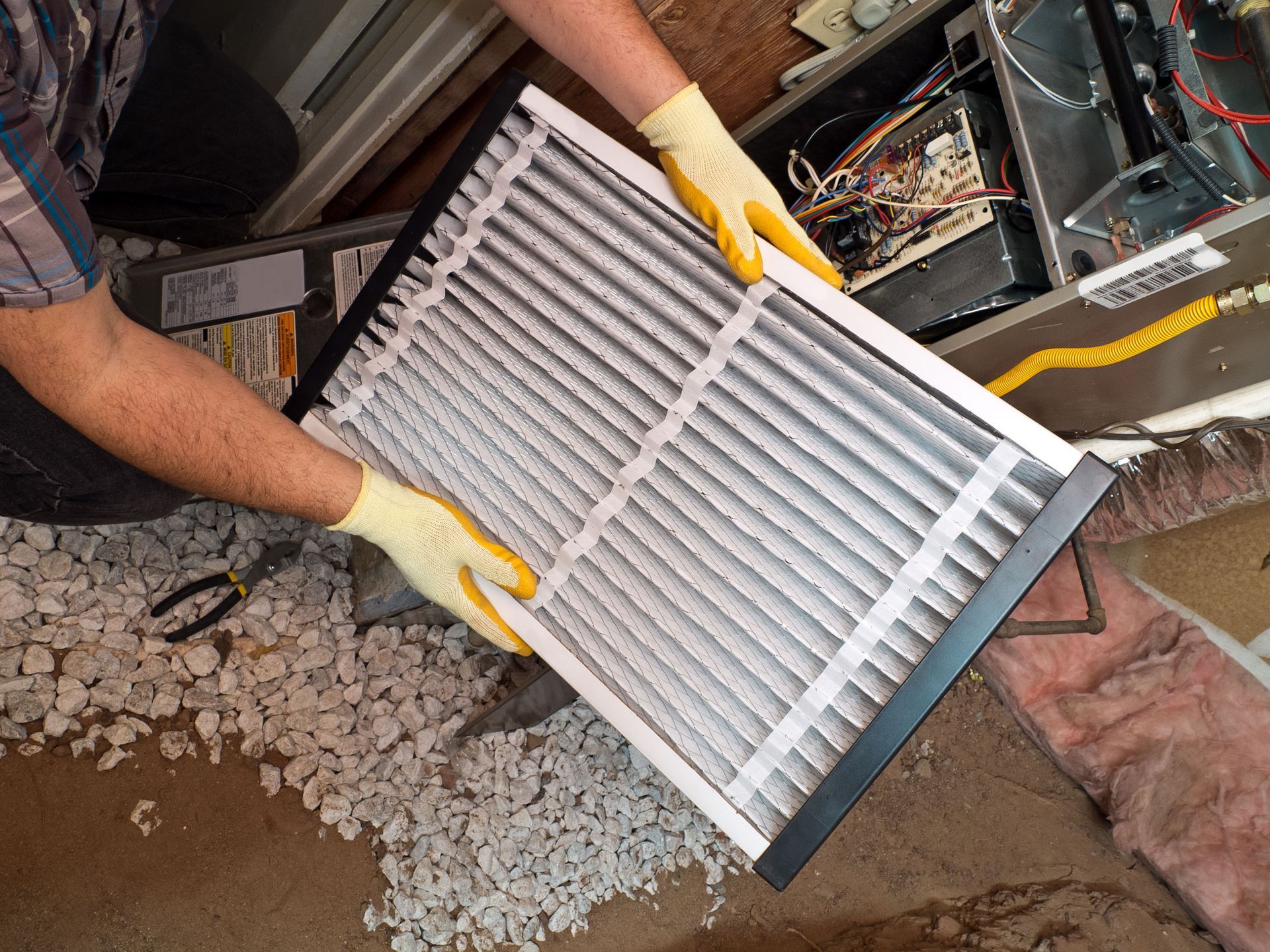
Air filters are the first line of defense for both your indoor air quality and the internal mechanical components of your system. A clogged or dirty filter severely restricts airflow, forcing the blower motor to work much harder to push air through your home. This added resistance causes energy bills to spike and can lead to dangerous overheating in furnaces or frozen evaporator coils in air conditioners.
During the visit, the technician removes and inspects the air filter to evaluate dust, pollen, pet dander, and particulate accumulation. They check whether the filter frame fits snugly within the filter slot, as an ill-fitting filter allows unfiltered air to bypass the media entirely, depositing dust directly onto sensitive internal coils and motor blowers.
The technician will replace or clean the filter depending on whether your system uses disposable pleated units or washable electrostatic media. Furthermore, they evaluate the Minimum Efficiency Reporting Value (MERV) rating of your current filter. While higher MERV ratings trap smaller particles, filters that are too restrictive for your specific duct system design can choke airflow. An HVAC company technician will help you select the ideal balance between high air filtration and proper system airflow.
Electricals: Inspecting Wiring and Connections
Heating and cooling equipment operates under high electrical voltage and current. Over time, normal system vibrations, thermal expansion, and regular electrical load can loosen wire connections or wear out sensitive electrical components. Faulty electrical infrastructure poses serious safety hazards, including potential electrical fires, power surges, and sudden component failure.
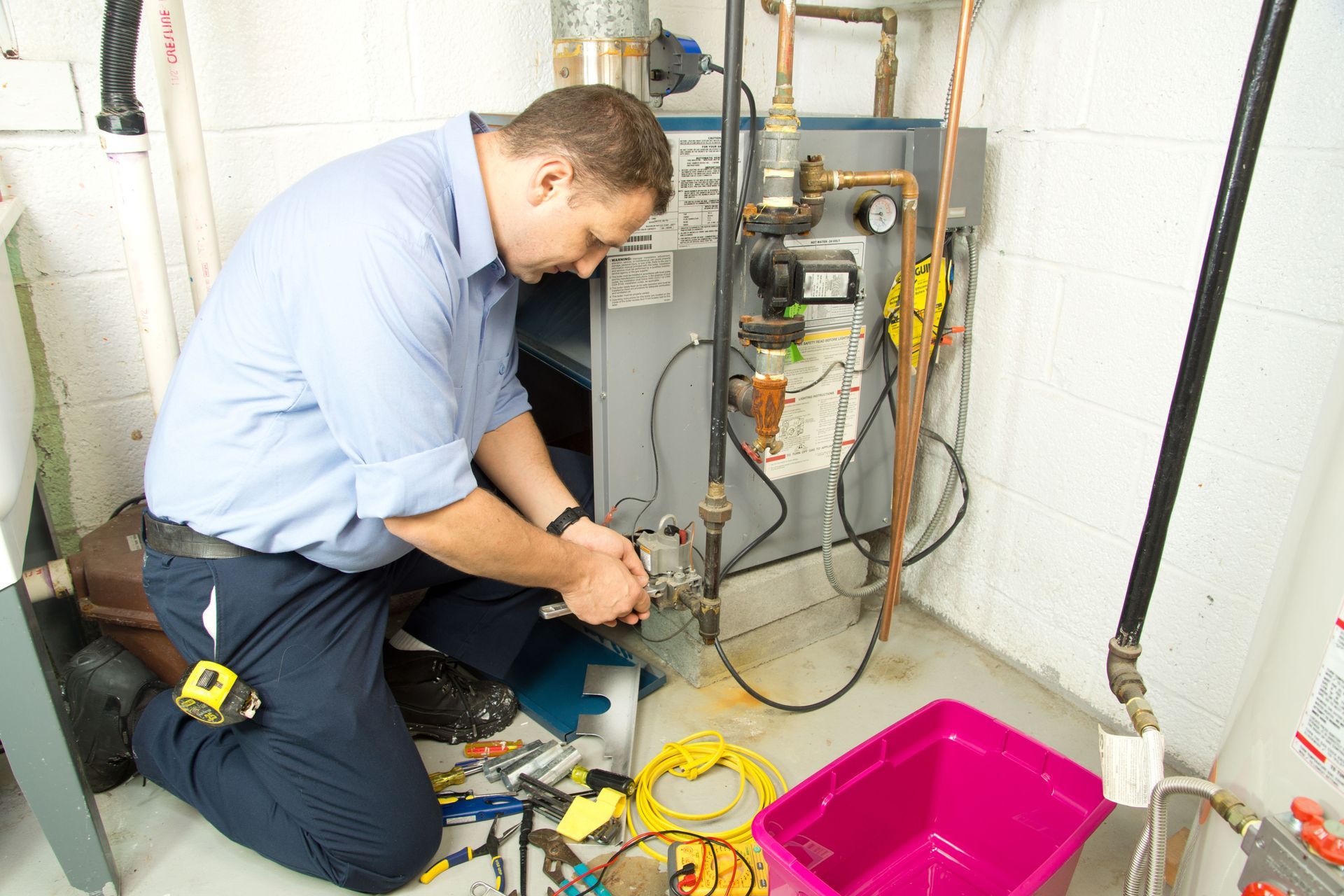
During an electrical inspection, the technician de-energizes the unit to conduct a thorough physical and electrical check. They inspect all wiring harnesses, terminals, and contacts for signs of fraying, loose screws, insulation degradation, or scorch marks. Loose connections create high electrical resistance, which generates excess heat and can burn out expensive control boards or motors.
The technician uses a digital multimeter to measure voltage and amperage on running motors and compressors. Comparing these electrical readings against the manufacturer’s rated specifications helps identify motor strain or bearing resistance before a complete mechanical breakdown occurs. Capacitors—which provide the initial electrical boost to start motors—are tested for proper capacitance microfarad ratings. Weak capacitors are replaced before they fail and destroy expensive motor windings.
Coils: Cleaning Evaporators and Condensers
Heat exchange is the fundamental physical principle behind both heating and cooling. Your system relies on two main coils: the indoor evaporator coil and the outdoor condenser coil. When dirt, mold, leaves, or grass clippings coat these coils, an insulating layer forms that prevents efficient heat transfer between the refrigerant inside the tubing and the surrounding air.
The technician carefully inspects the outdoor condenser unit, removing leaves, dirt, grass clippings, and debris that accumulate around the housing fins. They spray specialized non-acidic coil cleaner onto the aluminum fins to dissolve stubborn grime and rinse it thoroughly. The technician also inspects the delicate aluminum fins for bending or damage, using a fine fin comb to straighten bent fins so airflow remains unobstructed.
Inside the home, the technician evaluates the evaporator coil for dust build-up or biological growth caused by dark, damp conditions. According to ENERGY STAR, homeowners can reduce heating and cooling expenses by around 20% when they pair properly maintained, high-efficiency equipment with improved insulation and air sealing. A reliable HVAC company will clean these critical coil surfaces to restore maximum heat transfer, keeping your operational costs low and your system running efficiently.
Refrigerants: Measuring Levels and Leaks
Refrigerant is the specialized chemical compound that absorbs heat from inside your home and transfers it outdoors. Unlike oil in an engine, refrigerant is not consumed or burned off during normal operation; it operates within a sealed closed-loop circuit. If your system is low on refrigerant, it means there is an active leak that must be identified and repaired by a professional.
During a routine service visit, the technician attaches digital manifold gauges to the system's pressure ports to measure operating suction and discharge pressures. They check subcooling and superheat levels against the manufacturer’s charging charts to determine if the system holds the exact factory-specified refrigerant charge. Running a system with undercharged or overcharged refrigerant causes poor cooling performance, high electricity bills, and severe damage to the compressor.
If pressure readings indicate a loss of charge, the technician uses electronic leak detectors or ultraviolet dye tests along the copper refrigerant lines, service valves, and coil connection joints to locate the leak. Finding and sealing leaks early prevents environmental contamination, protects the expensive compressor from running dry, and ensures your home stays cool during peak heat waves. A qualified HVAC company technician ensures your refrigerant system is leak-free and balanced.
Blowers: Clearing Components and Belts
The blower assembly acts as the lungs of your climate system. It drives conditioned air through your supply ductwork into every living space and pulls return air back into the unit for reconditioning. Dust and particulate buildup on the blower wheel reduces the volume of air moved per revolution, placing excessive strain on the drive motor.
The technician opens the blower compartment to inspect the fan housing, wheel blades, and drive motor. They clean heavy dust accumulation off the curved fan blades using brushes or specialized vacuums.
If your system uses a belt-driven blower assembly, the technician inspects the drive belt for cracking, fraying, or slipping. They adjust belt tension and align the motor pulleys to ensure smooth operation. For motors with oil ports, the technician applies high-grade lubricant to the bearings to reduce friction and heat generation.
Investing in regular seasonal maintenance with an HVAC company is the single best step you can take to safeguard home comfort, minimize monthly utility costs, and extend the operating life of your system. Overlooking routine maintenance often allows minor, inexpensive mechanical issues to turn into costly emergency repairs or premature system replacements. By having a technician inspect, clean, calibrate, and tune every major component of your system, you protect your family's health, safety, and financial peace of mind.
Are you ready to optimize your heating and cooling performance and protect your home investment for the upcoming season? Contact DHA Mechanical, Inc today to schedule your comprehensive routine maintenance service appointment with our team of specialists! We look forward to providing you with prompt, reliable, and top-rated service for all of your indoor climate and comfort needs.